Home Prep

Baby-Proofing for Renters: Temporary Solutions That Work

🌟 As a parent and a previous renter, I understand the challenges of keeping our little ones safe in a home that’s not entirely our own. But fear not, my fellow renters, there are solutions that will turn your rental space into a secure haven for your precious baby. Whether you’re living in a cozy apartment or a spacious house, these innovative ideas will help you navigate the world of baby-proofing without sacrificing your style or breaking the bank.

Creating a Safe Haven: Baby-Proofing for Renters

When it comes to baby-proofing your rental, the first step is creating a safe haven for your little one. Focus on eliminating potential hazards and creating an environment that promotes exploration without compromising safety. Start by securing heavy furniture such as bookshelves and dressers to the walls using earthquake straps or brackets. 🧑 Safety is our number one priority, and we must take every precaution to prevent accidents.

Another crucial aspect of baby-proofing is ensuring that electrical outlets are out of your baby’s reach. πŸ™Œ Invest in outlet covers or plug protectors that are easy to install and remove when it’s time to move out. For those pesky cords and cables, use cord concealers or cable clips to keep them hidden and away from curious little hands. Remember, it’s all about finding temporary solutions that work for you and your rental space, making it both safe and beautiful.

Temporary Solutions to Keep Your Little One Secure

Now that we’ve created a safe haven, let’s explore some temporary solutions that will keep your little one secure as they grow and explore their world. One ingenious idea is to use removable window film to prevent accidents and protect your baby from harmful UV rays. πŸͺŸ Not only does this offer an added layer of safety, but it also adds a touch of style to your windows.

For those sharp corners and edges, foam corner protectors are a lifesaver! 🌈 They can easily be installed and removed without leaving any marks or damage on your furniture. And let’s not forget about the wonders of removable door stoppers. By using these, you can ensure that your baby’s tiny fingers won’t get trapped in doors while they’re happily crawling and exploring around.

Innovative Ways to Safeguard Your Rental Home

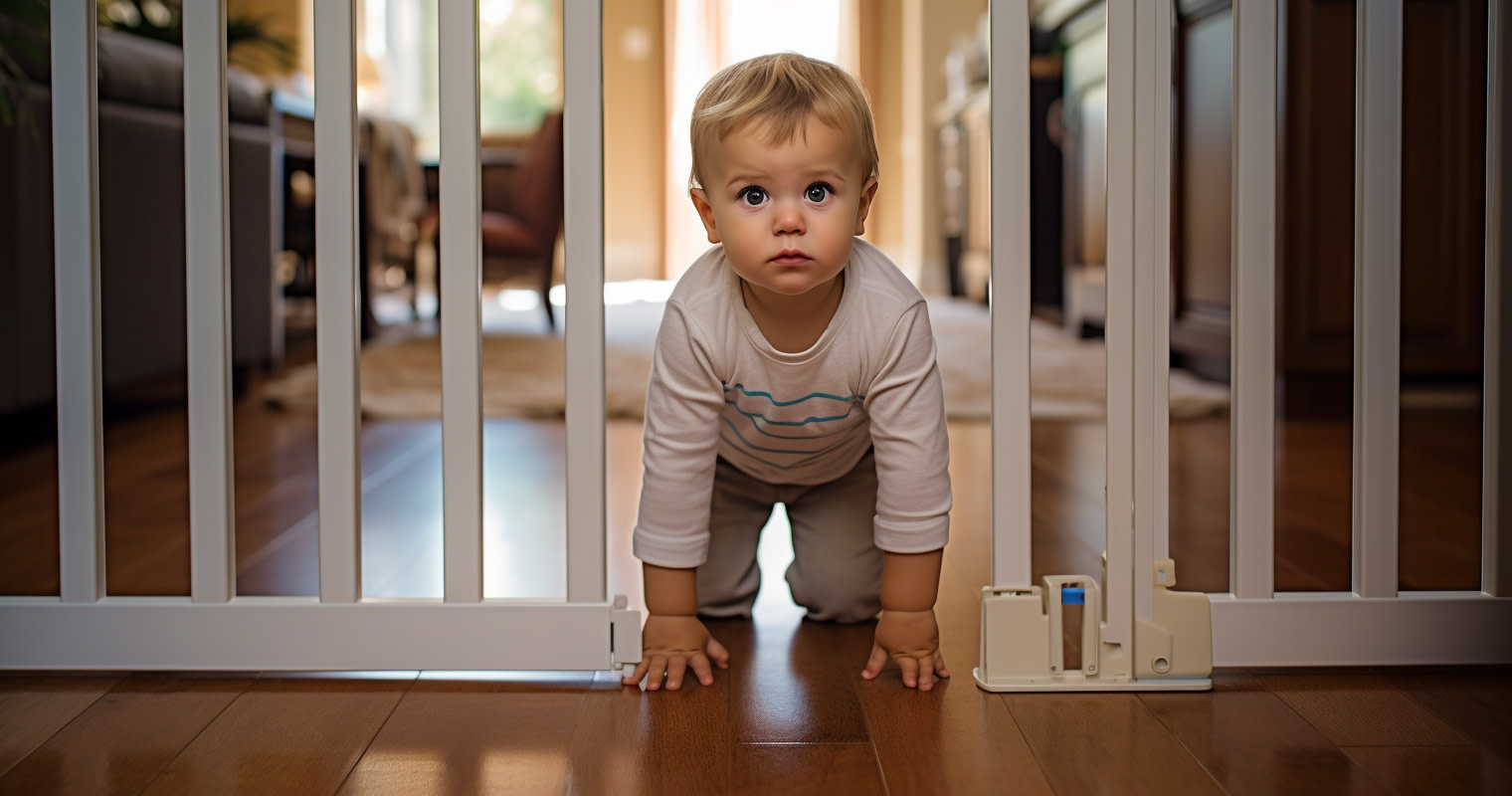
When it comes to baby-proofing, innovation is key. Look for products that are designed specifically for renters and offer temporary solutions for your unique needs. For instance, consider using tension-mounted gates that require no drilling or permanent installation. These gates can be easily adjusted to fit doorways and staircases, creating safe zones for your baby without leaving any trace when it’s time to move out. πŸ‘Ά Safety has never been so convenient!

Additionally, adhesive cabinet locks are a game-changer for renters. πŸ—„οΈ These locks can be easily attached to cabinets and drawers, ensuring that curious little hands can’t access harmful substances or create chaos. They’re perfect for keeping your rental kitchen secure while still maintaining a visually pleasing space. Remember, being a renter doesn’t mean compromising on safety or style!

πŸŽ‰ By implementing temporary solutions, you can ensure the safety and happiness of your little one while enjoying the comfort of your home. Always remember, safety first, but style matters too! With a bit of creativity and resourcefulness, you can achieve both.

===FAQ===

Q: Are temporary baby-proofing solutions effective?

A: Absolutely! Temporary baby-proofing solutions are designed to keep your little one safe and secure without causing damage to your rental space. These innovative products offer convenience, flexibility, and peace of mind.

Q: Can I still have a stylish home while baby-proofing as a renter?

A: Absolutely! Baby-proofing doesn’t mean sacrificing style. With a little creativity, you can find products that blend seamlessly with your decor and even enhance the overall aesthetic of your space.

Q: How can I baby-proof without damaging the rental property?

A: Temporary solutions such as tension-mounted gates, adhesive locks, and foam corner protectors are specifically designed for renters. These products can be easily installed and removed without leaving any marks or damage on your rental property.

πŸ“’ Share this article with your friends and fellow renters on social media πŸ€—

Read More
Older Siblings of Baby
Home Prep

How to Educate Older Siblings on Baby Proofing

Preparing Older Siblings: A Crucial Baby Proofing Step

πŸ”πŸ’– Before the little bundle of joy arrives, it’s essential to prepare older siblings for the task of baby proofing. Understandably, they may feel a mix of emotions, from excitement to apprehension. To ensure a smooth transition, involve them in the process right from the start. 🌟

πŸ‘©β€πŸ‘¦β€πŸ‘¦ Make it a family affair by explaining the importance of keeping their new sibling safe. πŸ’ͺπŸ’• Share stories of how they were kept safe when they were babies, highlighting how they can now play a vital role in ensuring the same for their little brother or sister. Provide a checklist of potential hazards, such as sharp corners, staircase dangers, and choking hazards, and encourage them to brainstorm solutions alongside you. By empowering older siblings in the baby proofing process, you’re not only fostering responsibility but also nurturing their sense of pride and accomplishment. πŸŽ‰πŸ†

Embrace the Role: Teaching Responsibility to Older Siblings

πŸ’ͺπŸ’š As an older sibling, they have a unique opportunity to learn and grow through taking on the role of a protector. Teaching responsibility is a crucial step in their journey of baby proofing education. By embracing this role, older siblings can develop vital life skills that extend far beyond ensuring a safe environment for their little sibling. 🌟

πŸ“šπŸŒ± Encourage older siblings to take charge of age-appropriate tasks, such as picking up small toys, securing cabinet locks, or closing doors to prevent wandering. Instill in them the importance of being mindful and attentive to their surroundings. πŸ’‘βœ¨ By doing so, you’re empowering them to take ownership of their actions while fostering a sense of self-confidence and reliability. Remember, the bond between older siblings and their baby brother or sister is one filled with love and trust, and embracing the role of a responsible protector strengthens that bond even more. πŸ’•πŸ‘Ά

FAQ:

Q: How can I make baby proofing education fun for older siblings?

A: πŸŽ‰πŸŒˆ Get creative! Turn baby proofing activities into exciting games like scavenger hunts or treasure hunts, where they search for potential hazards and find ways to eliminate them. By infusing fun into the process, you’ll keep older siblings engaged and enthusiastic about their important role. πŸ’ͺ🧩

Q: What if older siblings are resistant to the idea of baby proofing?

A: πŸ˜”πŸ’• In some cases, older siblings may resist or feel overwhelmed by the responsibility of baby proofing. Be patient and understanding, empathizing with their concerns while emphasizing the importance of keeping their baby sibling safe. Involve them in decision-making and let them take the lead in areas where they feel more comfortable. Gradually, they’ll embrace their role and recognize the positive impact they can make. 🌟

Q: How can I balance educating older siblings and not burdening them with too much responsibility?

A: βœ¨πŸ’– It’s crucial to strike a balance between teaching older siblings about baby proofing and ensuring they still have time for their own interests and needs. Set aside dedicated “baby proofing sessions” where you focus solely on the topic, and encourage older siblings to voice their concerns or ask questions. Outside of these sessions, let them enjoy their childhood and engage in activities that foster their individual growth and happiness. 🌈🌻

Read More
baby gate
Home Prep

What is Childproofing, and Why is it Important?

As new parents, the safety and protection of our little ones is of paramount importance. One key way we can ensure this safety is through childproofing, which involves identifying potential dangers in the home and steps to prevent accidents. This guide will cover what you need to know about childproofing, from understanding its concept to creating a comprehensive baby-proofing list for new parents. We’ll also discuss why childproofing is crucial and how effective childproof cabinet locks can be in keeping your little ones safe. So, whether you’re a new parent or looking to enhance your child safety knowledge, keep reading!πŸ‘ΆπŸ“š

Understanding Childproofing

Childproofing your home involves making changes to create a safe environment for your young kids. Childproofing aims to prevent accidents and injuries, thereby ensuring the well-being of your little ones.πŸ‘πŸ›‘οΈ

Childproofing measures will vary according to your child’s age and particular needs, and it’s not a one-off task but rather a process that calls for regular evaluation and adjustments. Organizations like the American Academy of Pediatrics provide recommended guidelines for childproofing, helping you shrink the risk of accidents like suffocation, poisonings, and drownings.

Why is Childproofing Important: Protecting Your Little Ones πŸ‘ΆπŸ’Œ

Childproofing is paramount in ensuring your newborn’s safety and well-being. With childproofing measures in place, parents can guard against accidents and injuries that might hurt their children.

Creating this safeguarded environment will grant you peace of mind as a parent. Safety devices like smoke alarms, child-resistant packaging, and safety gates add further layers of protection to your home. Remember, childproofing isn’t a one-time eventβ€”it calls for continuous updates and evaluation to keep pace with your child’s ongoing growth and development.

Your All-inclusive Baby Proofing List for New Parents πŸ“

Here’s a ist to help you start with baby-proofing:

Kitchen:

  1. Install safety latches on all cabinets and drawers.
  2. Move cleaning supplies and other harmful substances to high cabinets.
  3. Use a stove guard and knob covers to prevent burns.
  4. Secure any free-standing appliances, like microwaves, so they can’t tip over.
  5. Keep knives, blender blades, and other sharp objects out of reach.

Bathroom:

  1. Use a toilet lid lock to prevent curious toddlers from opening.
  2. Non-slip bath mats can prevent slips during bath time.
  3. Keep medications, razors, hairdryers, and other potentially harmful items out of reach.
  4. Proactively set the water heater temperature to 120 degrees Fahrenheit (48 degrees Celsius) or lower to prevent burns.

Bedroom/Nursery:

  1. No toys, pillows or loose blankets in the crib while baby is inside.
  2. Install window guards and stops.
  3. Secure all furniture (e.g., dressers, changing tables) to the wall to prevent tip-over accidents.
  4. Keep blind cords out of reach to avoid strangulation hazards.
  5. Use outlet covers to prevent electrocution.

Living Room:

  1. Install baby gates at stairs and doorways leading to dangerous areas.
  2. Use furniture edge bumpers to protect against sharp corners.
  3. Cover all electrical outlets with safety plugs.
  4. Mount flat-screen TVs to the wall or secure with safety straps.
  5. Keep houseplants out of reach, as some can be toxic.

General:

  1. Install smoke detectors and carbon monoxide alarms on every level and in all bedrooms.
  2. When not in use, ensure all doors, including those for balconies and patios, are locked.
  3. Keep all small objects (especially batteries) out of reach.
  4. Cordless window coverings to avoid entanglement hazards.
  5. Install a safety latch or bolt on each window.

The Role of Magnetic Cabinet Locks in Childproofing πŸ§²πŸ”’

Magnetic cabinet locks are an effective tool in childproofing your home by keeping cabinets and drawers securely shut and so keeping dangerous items out of little hands. Conveniently, they’re easy to install and don’t require any permanent changes to your cabinetry. They also maintain a neat look since they’re usually invisible from the outsideπŸšͺ while providing strong security, magnetic locks remain conveniently accessible for adults with their magnetic key or tool.

Effectiveness of Childproof Cabinet Locks πŸ”’

Usually, childproof cabinet locks do an excellent job keeping young children away from potentially unsafe items. Over time, for continued effectiveness, they might need occasional maintenance and adjustments. So, to make sure they do their job in the long run, be sure to opt for durable, reliable locks and routinely check their functionality.

How to Effectively Childproof Your Home 🏠

When it comes to childproofing, various measures need to be taken from installing outlet covers to prevent electric shocks to using baby gates to restrict access to potential danger zones like stairways, especially at the top of stairs. Also, it’s vital to secure heavy furniture to prevent tipping hazards. Keep toxic substances like cleaning detergents out of reach by keeping them in a locked cabinet. Installing cordless window coverings to prevent strangulation accidents adds another layer of safetyπŸ”ŒπŸš§.

Over-Childproofing and Its Downsides⚠️

Over-childproofing might limit a child’s exploration and learning, offering a false sense of security. Striking a balance between safety and allowing your child to take age-appropriate risks is crucial.

FAQs

What are some common household items that pose a danger to young children?

Items like cleaning products, medications, and sharp objects, cords and wires, and small items like coins and buttons, including button batteries, could potentially be dangerous. Ensure they are secured and kept out of reach.

Are there any specific areas that require extra attention when childproofing?

Areas like stairs, electrical outlets, cabinets with hazardous substances, windows and doors, and heavy furniture require extra attention, as they pose the highest risk for accidents and injuries. It is important to have knowledge of first aid in case of emergencies.

What could be the consequences if a home is not childproofed?

Non-childproofed homes leave children vulnerable to accessing harmful substances or potentially dangerous areas, leading to injuries or, in extreme cases, death.

What are some basic steps for childproofing at home?

Safely secure chemicals and medications, install safety gates at stairs and doorways, cover electrical outlets, and be sure to properly dispose of any poison or hazardous materials.

How do I know if my home is sufficiently childproofed?

When it comes to ensuring the safety of your child, it’s crucial to approach it from their perspective. This means getting down to their level and carefully observing your surroundings to identify any potential hazards that they may encounter.

Childproofing your home is imperative to ensure the safety of your little ones. From installing magnetic cabinet locks to preparing a comprehensive baby-proofing checklist, childproofing creates a secure environment for your children. Although finding a balance and not over-childproof is equally important, potential hazards should still be addressed to minimize risks. These childproofing strategies provide a safe space for children to explore and grow. Share this helpful blog on social media to spread awareness and aid other parents in their childproofing journey.

Read More
unsecured cabinet
Home Prep

Keeping Your Baby Safe: The Dangers of Unsecured Cabinets

Let’s explore the hidden dangers they pose and provide you with essential knowledge on how to keep your baby safe. Understanding the risks to finding stylish solutions and securing your cabinets is vital to creating a protected environment for your bundle of joy. πŸ”‘πŸ’–

Understanding the Risks: How Unsecured Cabinets Threaten Your Little One

Knowing the risks associated with unsecured cabinets is the first step in creating a secure baby-proofing environment for your baby. 🚸πŸ’ͺ It’s obvious, when your cabinets are unsecured, your curious baby can access harmful substances and dangerous objects that could result in accidents or, in the worst case, even life-threatening injuries. πŸ˜₯πŸš‘ Moreover, trying to open a cabinet can lead to pinched fingers or falling objects.

Safeguarding Your Home: Why Securing Cabinets Is Essential for Baby Safety

βœ¨πŸ”’ Creating a safe haven for your baby starts with securing your cabinets. Implementing simple yet effective measures can significantly reduce the risk of accidents and injuries. Installing cabinet locks, latches, or safety straps can prevent your baby from gaining access to hazardous items. πŸšͺβ›” Additionally, organizing your cabinets to keep potentially harmful objects out of reach will add an extra layer of safety.  πŸ’šπŸ‘

Cabinet Safety: Is It Always Guaranteed? πŸ€”

To the untrained eye, cabinets might appear to be secure hideaways for storing various items. But let’s shatter this illusion: cabinets aren’t always the 100% safe sanctuaries we envision them to be. Surprise, surprise! An unsecured cabinet is an open invitation for a curious little one to explore its contents. This poses a potential danger when it holds hazardous household items, such as medications, cleaning supplies, or even power tools and sharp objects. 😲

Lock and Latch: The Key to Cabinet Security πŸ”’

Cabinet locks or latches, are your trusted allies in preventing cabinet doors from being accessed by tiny tots. These nifty devices come in various shapes, sizes, and styles, catering to your needs and preferences. Stumped on selecting the right type? Your friendly neighbourhood hardware store pro should be ready to swoop in with valuable advice. πŸͺ

The Ideal Cabinet Locks for Your Baby’s Room πŸ”Ž

Before you embark on the adventure of childproofing your home, remember: cabinet locks in your baby’s haven should be supreme in strength and durability. Start by zeroing in on childproof and heavy-duty locks made from materials like steel, which don’t falter easily. ✨

Up for some extra flair? Magnetic locks may be your secret weapon. Operating with powerful magnets, these locks keep cabinet doors closed and they preserve the aesthetic of the room, thanks to their minimal visibility. Now that’s what we call a magical touch! 🌟

Use the right locks and latches to transform your cabinets into foolproof, secure spaces for your little one’s safety and your peace of mind. πŸ‘πŸ’–

Tips for Securing Cabinets for Baby Safety

  1. Take Stock of the Situation:
    Begin by examining all cabinets in reach of your little explorer. Kitchens, bathrooms, living areas – nowhere’s off limits! From chemicals to sharp utensils, each cabinet presents its own set of risks. Now, don’t you break out in a cold sweat! We’re in this together.πŸ’ͺ😌
  2. Choose the Right Locks:
    From magnetic locks to sliding catches, there’s a slew of safety locks in the market. Your choice should reflect your needs. Got a particularly persistent tot? Go for magnetic locks. Seeking a balance between budget and functionality? Sliding catches it is.βœ”οΈπŸ’°πŸ”
  3. Install Those Locks:
    Roll up those sleeves and get down to some serious business because it’s installation time! It’s usually a simple process involving adhesive and a bit of handiwork. Just ensure to follow the instructions on the product manual, and voila – a safe (cabinet) space!πŸŽ‰πŸ”§πŸ’Ό
  4. Test Them Regularly:
    Remember, being observant is key in maintaining baby safety. Locks can wear out or break – so make it a habit to check them regularly. If they’re not working as intended, replace them pronto. And hey, give yourself a pat on the back! DIY baby-proofing is no mean feat!πŸ πŸ‘πŸ‘€

FAQ:

What are some stylish solutions to ensure cabinet safety?

  1. Adhesive Magnetic Cabinet Locks:
    These are practically invisible – they sit on the inside of the cabinets guarding your little one against dangers while maintaining the integrity of your cabinet design. The best part is, you can disengage these locks when baby isn’t about and the cabinets need to be accessible to adults. Ingenious, ain’t it?
  2. Slide Latches:
    Aesthetically pleasing and effective, these latches fit most cabinets and drawers. Slide latches aren’t just about functionality, they’re about making a minimalist style statement too.βœ¨πŸ”’
  3. Cord Locks:
    Imagine a sleek cord weaving its magic across your double-door cabinet, keeping its contents safe from the baby’s reach. Subtle, stylish, and super secure – that’s what cord locks are! A great option for rounded knobs and D-shape handles.πŸ’«πŸ”—
  4. Edge Pulls:
    These are easy to install and inconspicuous to the eye. Fix them onto the top, side, or base of the cabinet door and simply pull to open. Safety locks might be out of sight, but your peace of mind would certainly not be out of mind.πŸ’‘πŸ‘€

How else can I create a protected environment for my baby?

Securing your cabinets is just one step in creating a safe haven for your baby. It’s also important to baby-proof other areas of your home, such as electrical outlets, sharp edges, and stairs. By addressing all potential risks, you can ensure a protected environment for your little one to explore and grow.

πŸ“’ Share this article!

πŸ’ͺπŸš€ #CabinetSafety #BabyProofing

Read More